An Overview of Your Cooling System
Your cooling system is made up of multiple moving parts that all must work together to operate properly. Each making a small contribution to what becomes one of the most critical systems in your vehicle. If one fails, not only is your cooling system at risk, but other major components such as your Engine, Transmission, and HVAC systems.
What Does Your Cooling System Do?
There are two main functions of your Cooling System. Reducing the temperature of your Engine, Transmission, Hybrid Battery, or even Power Steering, and supplying heat to your HVAC system. Improper cooling of your Engine or Transmission can lead to catastrophic failure and costly repairs that often exceed the value of vehicles we see in our shop. Improper flow or incorrect temperatures can lead to a lack of heat coming out of your vents.
Cooling System Components and Their Functions:
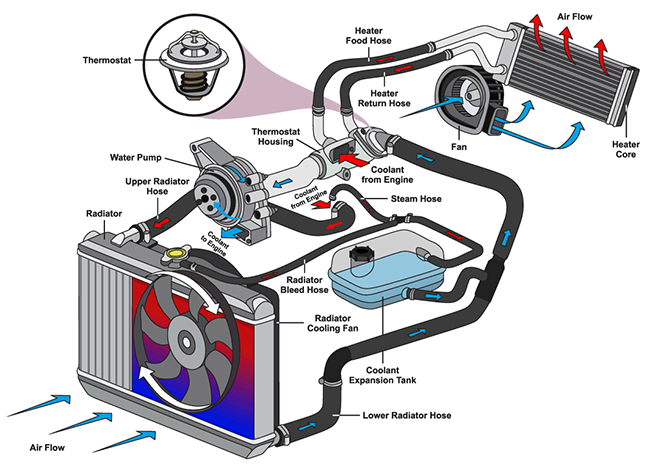
- RADIATOR
- Reduces the temperature of coolant as it flows out of the engine and through the passages built into the radiator fins.
- COOLING FANS
- Pulls air flow from the front of the vehicle and through the radiator fins to increase cooling ability when temperatures start to rise.
- WATER PUMP
- Driven by the serpentine belt or timing chain / belt to keep coolant flowing consistently throughout the entire system.
- THERMOSTAT
- Regulates the flow of coolant moving out of the engine towards the radiator based on temperature.
- HEATER CORE
- Coolant flows through the heater core inside your dash. When your engine gets up to temperature, this is what will supply heat to your vents as air is blown through the core.
- OVERFLOW TANK
- Otherwise known as a reservoir, your overflow tank is the key indicator of your coolant levels. Often providing a minimum and maximum specification, as levels fluctuate based on temperature.
- HOSES
- Molded rubber hosing that acts as the plumbing between components.
- TEMPERATURE SENSORS
- Monitor coolant temperatures, providing necessary data to your engine computer for your temp gauge readings, and cooling fan operation.
- ENGINE COOLANT
- “Antifreeze” or “Engine Coolant” is the sweet-smelling liquid that runs through the system, allowing each component to operate properly.
What Are the Warning Signs of Needed Cooling System Repairs?
It may not always be obvious, but there are multiple tell-tale signs of a cooling system in decline. As previously stated, each individual component needs to be doing its part for the system to operate properly as a whole. This is where it becomes critical to have your vehicle properly inspected to catch these warning signs before they become significant problems.
Common Warning Signs:
- Temperature Gauge
- If your temperature gauge is reading below halfway consistently.
- If your temperature gauge is reading slightly above halfway consistently.
- Some cars do not have a physical gauge but will warn you if your temperature is rising too high or levels running too low.
- Smells
- Coolant has a sweet and syrupy smell. If you are getting that from your vents or outside your vehicle, it is time to have it inspected.
- In extreme cases, a leaking heater core can fog up your windshield.
- Low or Empty Overflow Tank
- Coolant is not considered to be “consumable”. Meaning, if your overflow tank is empty, or you must “top it off” regularly, that coolant is most likely going somewhere outside of the system.
- In theory, a well-maintained cooling system should never “lose” coolant.
- Noises
- Whizzing / Whining noises coming from the pulley section of your engine.
- Cooling fans are running 10-15 minutes or more after shutting off your engine.
- Bubbling or gurgling noises coming from the engine bay.
- Reduced Heat Performance
- Cool or warm but not hot air coming from the vents
- Hoses
- Swollen or extremely stiff coolant hoses.
Although these warning signs may not seem severe, there are real consequences associated with deferring their repair. The key to maintaining a safe and reliable vehicle is catching minor indicators of a problem before they become major and obvious issues. Knowing these symptoms will help you understand your vehicle better, avoid the inconvenience of a major failure, and help you keep your vehicle on the road.
What Are the Consequences of a Poorly Maintained Cooling System?
Lack of maintenance, deferred repairs, and ignored symptoms can lead to a concerning level of unreliability in your vehicle. Small leaks can cause total coolant losses in an instant if pushed too far. Catastrophic failures can occur if you push your vehicle too far with an inoperable cooling system. It is critical to never ignore these minor repairs as they come up; they can quickly become unnecessary nightmares.
Obvious Cooling System Failures:
- Leaks
- Coolant puddling / dripping beneath your vehicle.
- Coolant smells or steam coming from the engine bay.
- Improper coolant levels are the quickest way to overheat your engine.
- Heat
- Total lack of heat coming from vents.
- Overheating
- Temperature gauge readings in the unsafe operation zone. Typically, readings of ¾ and above.
- Most vehicles will warn you when overheating begins, but not always.
- Extended operation while a vehicle is overheating will lead to catastrophic failure of your engine, transmission, or hybrid battery system.
Moderate to Severe Consequences and Catastrophes:
- Damaged Components
- Overheating can burn up your temperature sensor due to vapors blowing by the sensor instead of liquid coolant.
- Thermostats can be damaged by the same principle, causing the spring to be damaged and to no longer open and close at proper temperatures.
- Hoses can be blown out due to a buildup of pressure in the cooling system when overheating.
- Cross Contamination of Fluids
- When cooling systems fail, you run the risk of mixing fluids.
- When your coolant, transmission fluid, or engine oil look like a milk shake, you have a major issue on your hands.
- Contaminated cooling systems can also cause blockages in your heater core or radiator, and even swell hoses.
- Head Gasket Failure
- Extended operation while a vehicle is overheating will build up enough pressure to blow past your head gasket in your engine.
- Head gasket failure often results in engine replacement, due to the cost associated with tearing down and rebuilding.
- In extreme cases, this level of failure can cause the heads to warp, which would no longer be repairable and require whole replacement.
- Transmission Failure
- An internal failure of the radiator can cause mixing of coolant and transmission fluid, leading to catastrophic failure of the transmission.
Diagnosing Cooling System Performance Issues
Due to the nature of your cooling system, it may not always be a straightforward process to pinpoint the cause of your problem. There are multiple tests, ranging in difficulty and time required. Your symptoms are the most important piece of information to provide, so we can effectively diagnose the issue.
Cooling System Diagnostic Tests
- Coolant Pressure Test
- Simulates operating temperature & pressure without the consequences of overheating a vehicle. This aids in discovering and pinpointing fluid leaks.
- Combustion Leak Test
- This test detects combustion gases in the cooling system. Although not fool proof, this is a great preliminary test to ensure that your head gasket is intact if a vehicle has been overheated.
- Electrical / Mechanical Diagnosis
- Testing sensors and monitoring data from your cooling system to verify proper operation of components such as cooling fans or thermostat.
- Measuring temperatures to ensure proper flow in and out of components such as your heater core or thermostat.
The Value of Preventative and Routine Cooling System Maintenance
With the knowledge of what symptoms you may be experiencing, and what consequences could result from ignoring them, let’s discuss two best practices and preventative steps to ensure your cooling system is well maintained and your vehicle is kept on the road.
Cooling System Flushes and Services
Most manufacturers will recommend a coolant flush around 100 thousand miles. More often than not, this may seem unnecessary as your system is full, or you haven’t experienced any minor warning signs. At Hotchkiss Auto Repair, we recommend these services based on the condition of the coolant, and not mileage. There are far too many variables involved, and treating mileage maintenance recommendations as truth will not always yield the best results.
Why a Coolant Flush Would Be Necessary:
- Coolant Contamination
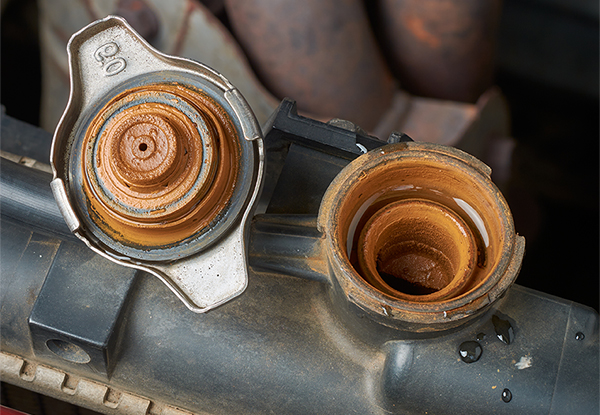
- Coolant can become contaminated with minerals, from hard water or the vehicles environment.
- Rust scale build up from the metal components of the cooling system.
- Contamination can lead to premature failure of more significant components such as a thermostat or water pump, leading to costly repairs.
- As Part of Another Repair
- When replacing any component in your cooling system, we recommend a coolant service.
- Not only to prevent contamination of newly purchased and installed components, but for warranty purposes as well.
Well-kept coolant will help provide the longevity you are looking for in your major cooling system components by limiting contamination and deposit build up that will cause premature failure.
Hoses and Clamps
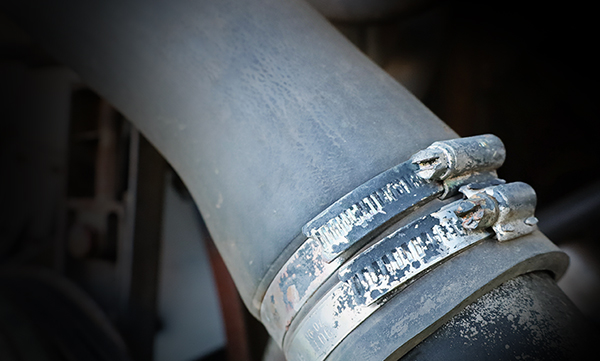
Often overlooked, cooling system hoses experience extreme temperature fluctuations as your vehicle gets up to operating temperature and back down. Rubber is susceptible to aging and wear and tear in these conditions. Hoses and clamps need to be replaced when they become too soft, or stiff as a rock. This will prevent a failure of the hose, causing a leak, and potential overheating.
Summary
There is no silver bullet to prevent major repairs on a vehicle. But when it comes to your cooling system, those two simple items can help prevent a lot of headaches and costly repairs down the road. We hope you feel confident in having these services completed when they are needed and have a much better understanding of why they should be done.